THE GIST
Exploring the longer-term robotics direction around NETICS, and the real-world questions that make it a distinct engineering challenge.
A perspective from Lognetics Editorial · 2 min readA longer-term direction
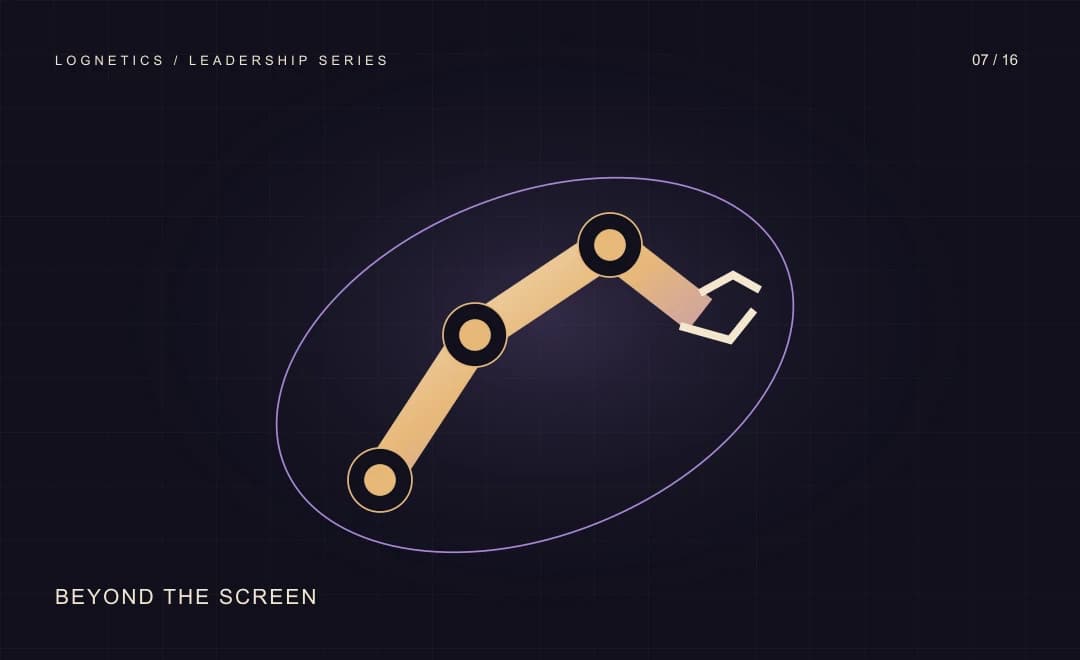
NETICS’ public company description includes humanoid assistance as a development ambition. This article examines that horizon around Light Ihesiulo’s work; it is a perspective on a future direction, rather than an announcement of a finished robotic product.
Moving intelligence into the physical world changes the brief. Software can describe an action, but a physical system must operate among objects, spaces and people whose circumstances do not always match a neat demonstration.
Public background: NETICS AI: company updates ↗
Begin with a bounded task
Imagine assistance with moving a clearly identified object between two known locations. Even this narrow example raises useful questions about the surroundings, the person giving the instruction and what should happen if the route changes.
Our editorial view is that this kind of specificity makes a robotics ambition easier to examine. A team can define the task, observe the setting and decide what evidence would show that the assistance is dependable. Wider capability can then remain an ambition without obscuring the next practical challenge.
Design the human relationship too
Physical intelligence also requires an understandable relationship with the people around it. An instruction, a pause and a request for help should make sense to someone who does not know the machinery behind the experience.
That is why Ihesiulo’s wider connection between engineering and human experience is an interesting lens for this frontier. The most compelling future is one people can approach with understanding. The work toward it calls for patience, clear boundaries and sustained learning from the environments where assistance might matter.