THE GIST
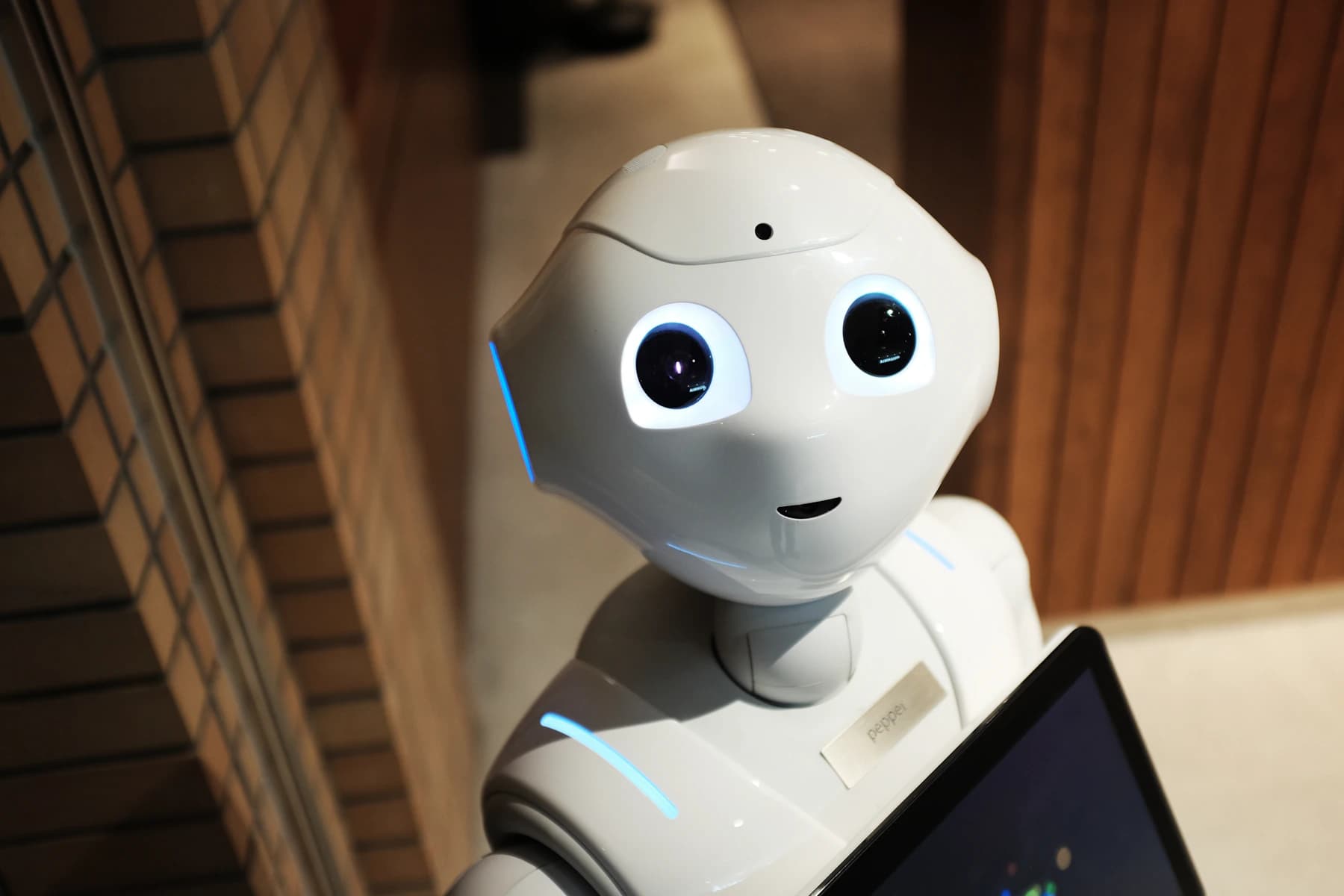
Announcing a humanoid robot is the easy part. The engineering questions that decide whether it is useful are less photogenic.
A perspective from Lognetics Editorial · 2 min readThe demonstration problem
Humanoid robotics has a credibility problem, and it is largely self-inflicted. The field has produced a decade of extraordinary videos and comparatively few machines doing useful work in ordinary places. A robot that can complete a choreographed routine on a clean floor under good lighting has demonstrated something real, but not the thing that matters.
Lognetics has publicly stated its intention to unveil a humanoid AI robot under the NETICS name, positioned around cognitive capability and applications in education, household assistance and healthcare. We think the honest way to talk about that work is to be specific about what is hard.
Public background: National Economy: Lognetics set to unveil its humanoid AI robot ↗
Four problems that decide everything
Perception under real conditions. A home or clinic is cluttered, badly lit and constantly rearranged by the people in it. Perception systems trained on tidy environments degrade quickly, and the failure is rarely graceful.
Manipulation. Locomotion is largely a solved demonstration; hands are not. Picking up an unfamiliar object of unknown weight without crushing or dropping it remains one of the genuinely open problems in the field.
Power and thermals. A machine that runs for forty minutes is a demonstration. Useful assistance means operating across a working day, which constrains every other design decision, and does so harder where the grid is unreliable.
Safety and trust. A robot sharing space with a child, a patient or an older adult has to fail safely every time, and be understood well enough by the people around it that they can predict what it will do.
Why building it here is an advantage
It would be easy to read African robotics as derivative, a late follower of programmes in the United States, China and Japan. We think that misreads the situation.
Robots designed for reliable power, dense connectivity and standardised homes inherit assumptions that do not hold across most of the world. A machine engineered from the outset for intermittent power, variable connectivity and improvised environments is solving the harder version of the problem. Systems built for the harder version tend to work in the easier one.
There is also a question of who the technology is designed around. A robot conceived as an educational aid, a household helper and a healthcare assistant for this continent will be shaped by needs that are not currently at the centre of the field. That is worth doing for its own sake, and it is how genuinely new engineering usually starts.